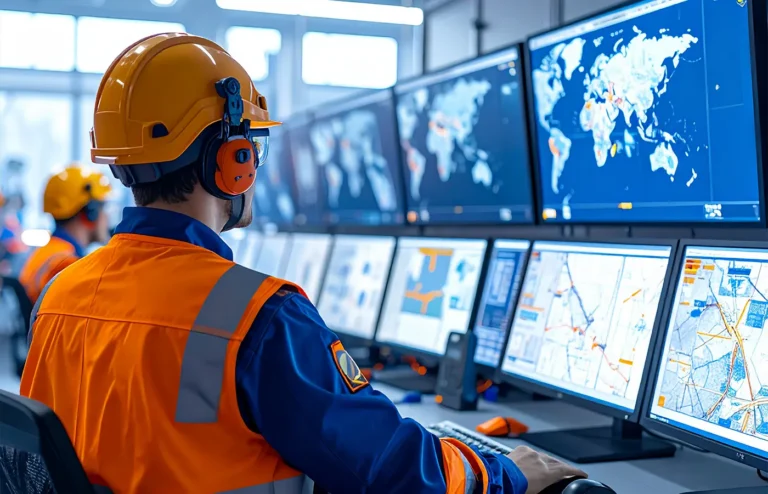

Emergencies rarely provide advance warning. Whether facing natural disasters, industrial accidents, or unexpected operational disruptions, organizations that invest in preparedness training consistently respond more effectively than those that do not.
Training transforms emergency plans from documents into practical actions.
Employees Become More Confident
People respond better under pressure when they understand exactly what to do.
Emergency preparedness training helps employees:
- Recognize hazards
- Report incidents quickly
- Follow evacuation procedures
- Use emergency equipment correctly
- Support coworkers during emergencies
Confidence reduces panic and improves overall safety.
Faster Response Saves Lives
The first few minutes of an emergency are often the most critical.
Organizations with trained personnel can:
- Activate emergency procedures immediately
- Reduce response times
- Limit injuries
- Prevent incidents from escalating
Prepared employees become an essential part of the emergency response system.
Better Business Continuity
Emergencies affect more than employee safety—they can interrupt operations, damage facilities, and impact customers.
Prepared organizations recover more quickly because they have:
- Defined recovery procedures
- Clear communication channels
- Leadership coordination
- Business continuity strategies
This minimizes downtime and financial losses.
Compliance and Risk Management
Many industries require emergency preparedness as part of regulatory compliance.
Regular training demonstrates a commitment to:
- Workplace safety
- Risk reduction
- Employee wellbeing
- Operational excellence
It also helps organizations identify weaknesses before real emergencies occur.
Training Should Be Continuous
Emergency preparedness is not a one-time event.
Organizations should provide:
- Annual refresher courses
- Scenario-based exercises
- Multi-department drills
- Leadership training
- Lessons learned reviews
Frequent practice ensures knowledge remains current and effective.
Building a Culture of Preparedness
The strongest organizations create a culture where safety is everyone’s responsibility.
When preparedness becomes part of everyday operations, employees are more engaged, leaders make better decisions, and organizations become more resilient against future challenges.
Conclusion
Emergency preparedness training is one of the most valuable investments an organization can make. It protects people, strengthens operational resilience, and equips teams to respond effectively when unexpected events occur.
Prepared organizations don’t simply react to emergencies—they manage them with confidence.